[Case 03]
Interactive Advertisement Proposal
Proposing an interactive advertisement that utilizes 3D immersive technology and visualized community system to transform a physical co-working space into a boundless digital creative community.

Role
UX Designer & Researcher
Team
5 members
Project type
Academic, Interaction Design
Duration
16 Weeks, 2021
Responsibilities
Conducted stakeholder interviews and translated findings into Empathy Maps and Persona.
Proposed the virtual space concept and integrated the offline-to-online User Journey.
Produced the final concept showcase video using After Effects.
Tools/Skills: Adobe Creative Suite, User Interview
Define
[Background]
Working Ler is a coworking space rental service housed in a renovated vintage building. It provides creative freelancers and startups with flexible workspace leasing in a cozy, community-driven environment. Beyond just renting spaces, they act as a collaborative hub, fostering resource sharing among members through workshops and networking events. They rely on members hosting professional workshops to foster community and attract new leads.
[User Interview & Empathy Map]
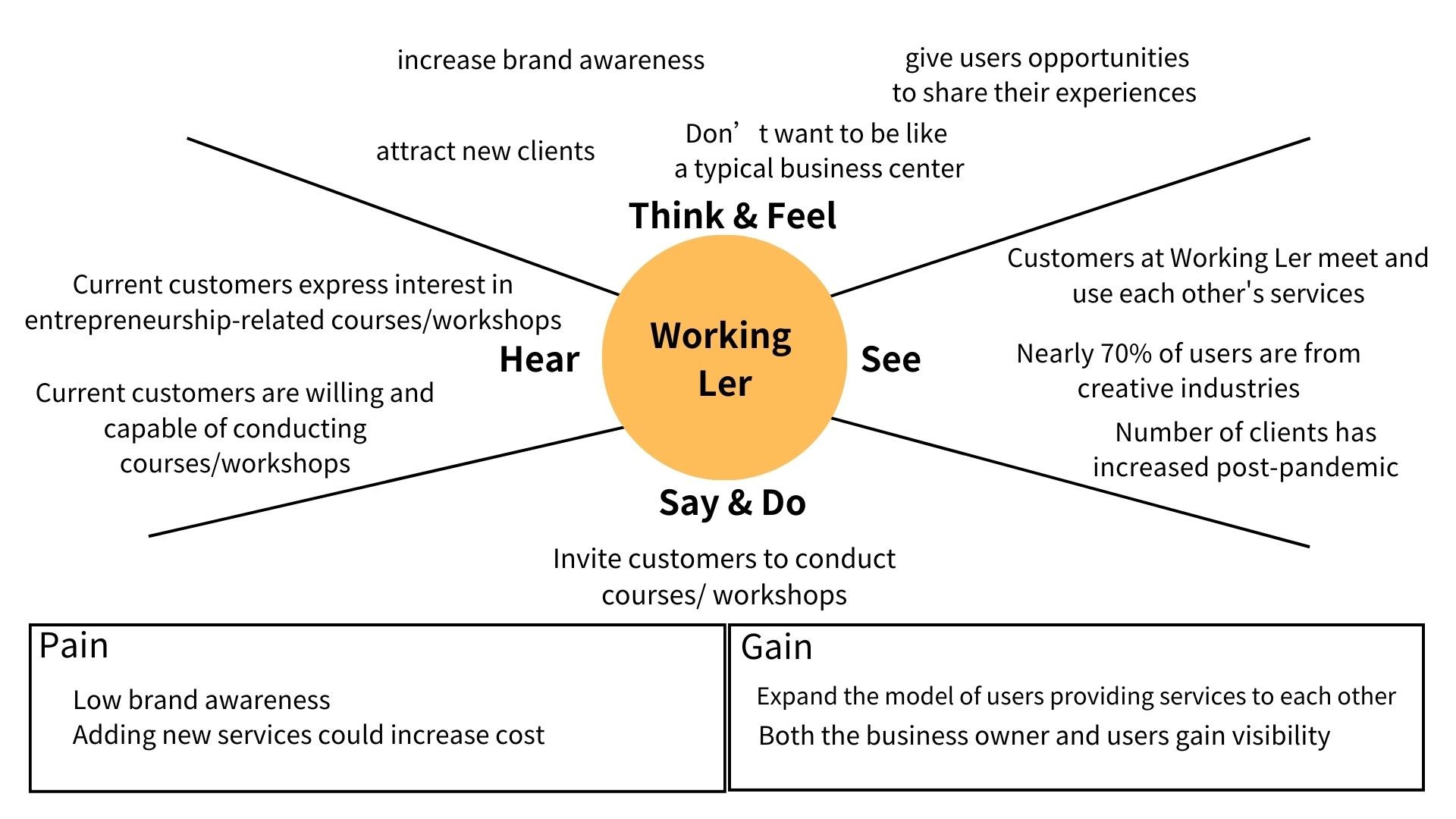
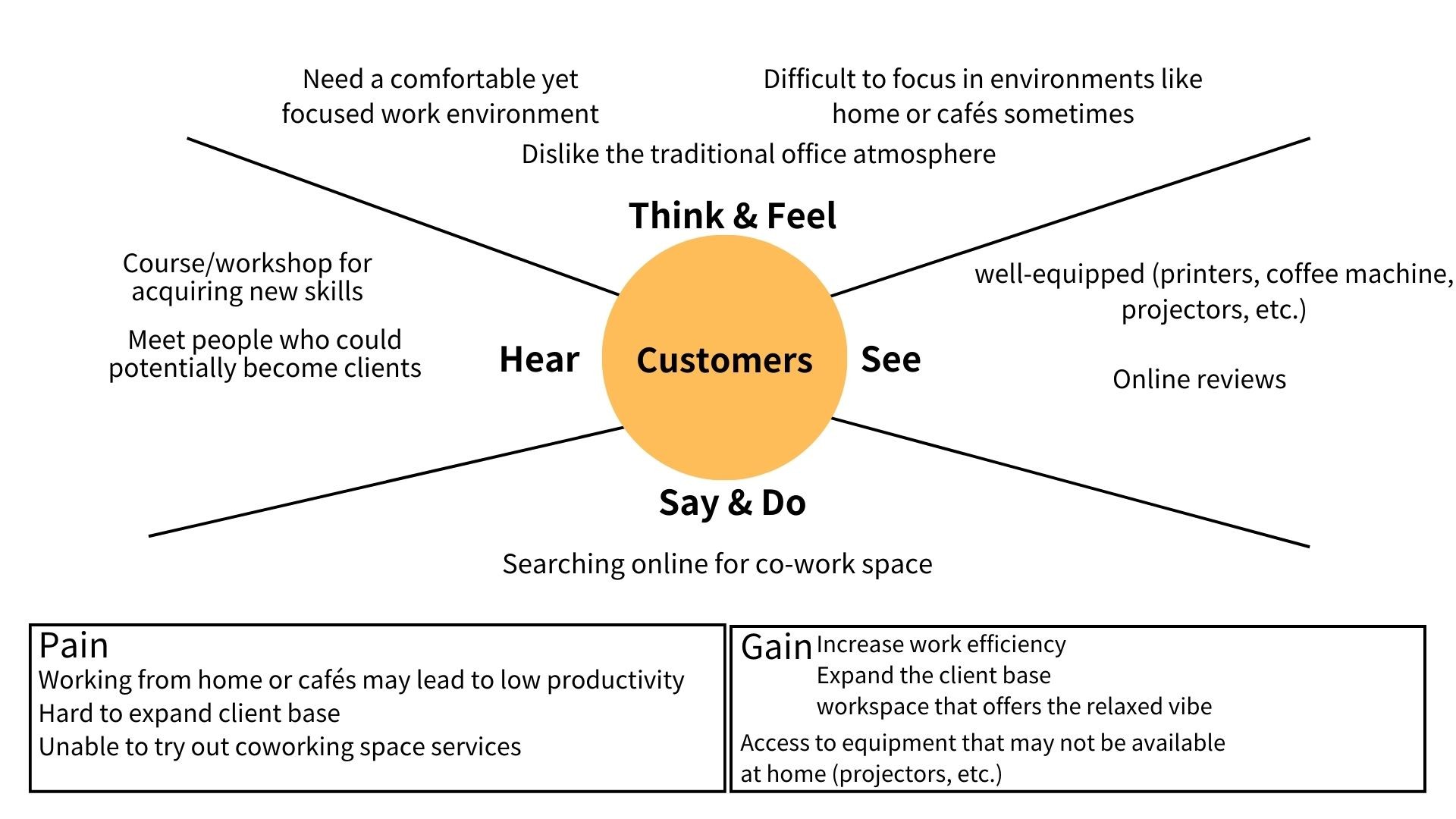
To understand the core values of Working Ler and the needs of its members, we conducted stakeholder interviews and synthesized the findings into an empathy Map for both the business owners and the customers:
Stakeholder Perspective: Working Ler redefined the coworking experience by transforming vintage buildings into cozy, community-centric hubs that purposefully avoid a distant, sterile feel. The primary clients are creative freelancers. They engage in service exchanges and peer learning. To leverage this behavior, the management actively encourages members to host professional workshops and courses, aiming to build a self-sustaining ecosystem. While their current challenge lies in brand awareness and the costs associated with service expansion, their ultimate vision is to foster a collaborative environment where mutual professional exposure drives growth for both the space and its members.
Customer Perspective: Customers are looking for a high-productivity environment that escapes the distractions of home or the lack of professional equipment in cafes. These creative professionals rely heavily on online reviews to find spaces that offer both comfort and essential infrastructure, such as printers and meeting rooms. However, a significant barrier remains the inability to experience the service before committing to a lease. Beyond physical space, users are highly motivated by the potential to expand their professional networks and acquire new skills. Their ideal journey involves finding a workspace that not only boosts their daily output but also serves as a low-pressure gateway to discovering new clients and collaborative partners.
[Persona]
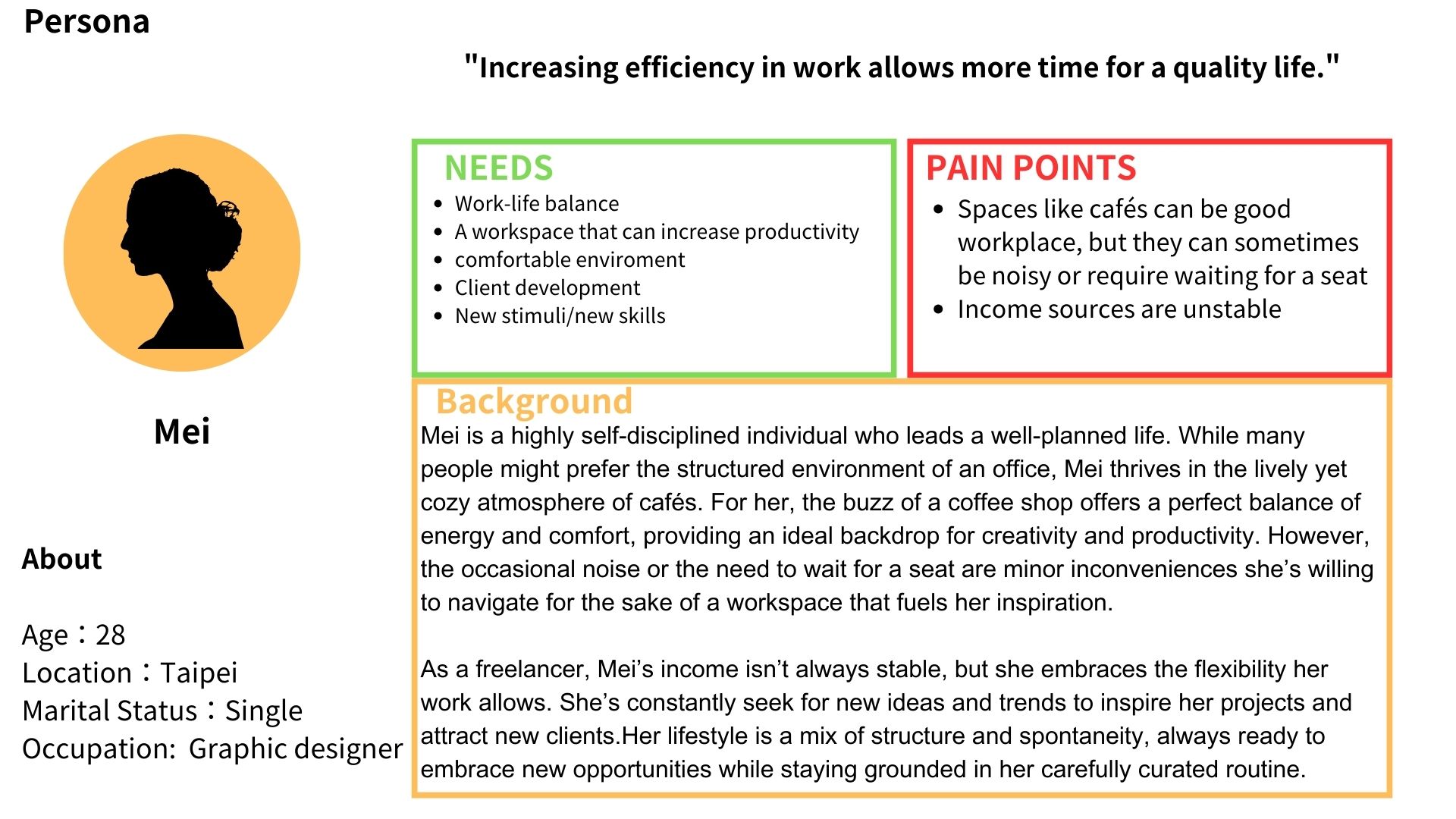
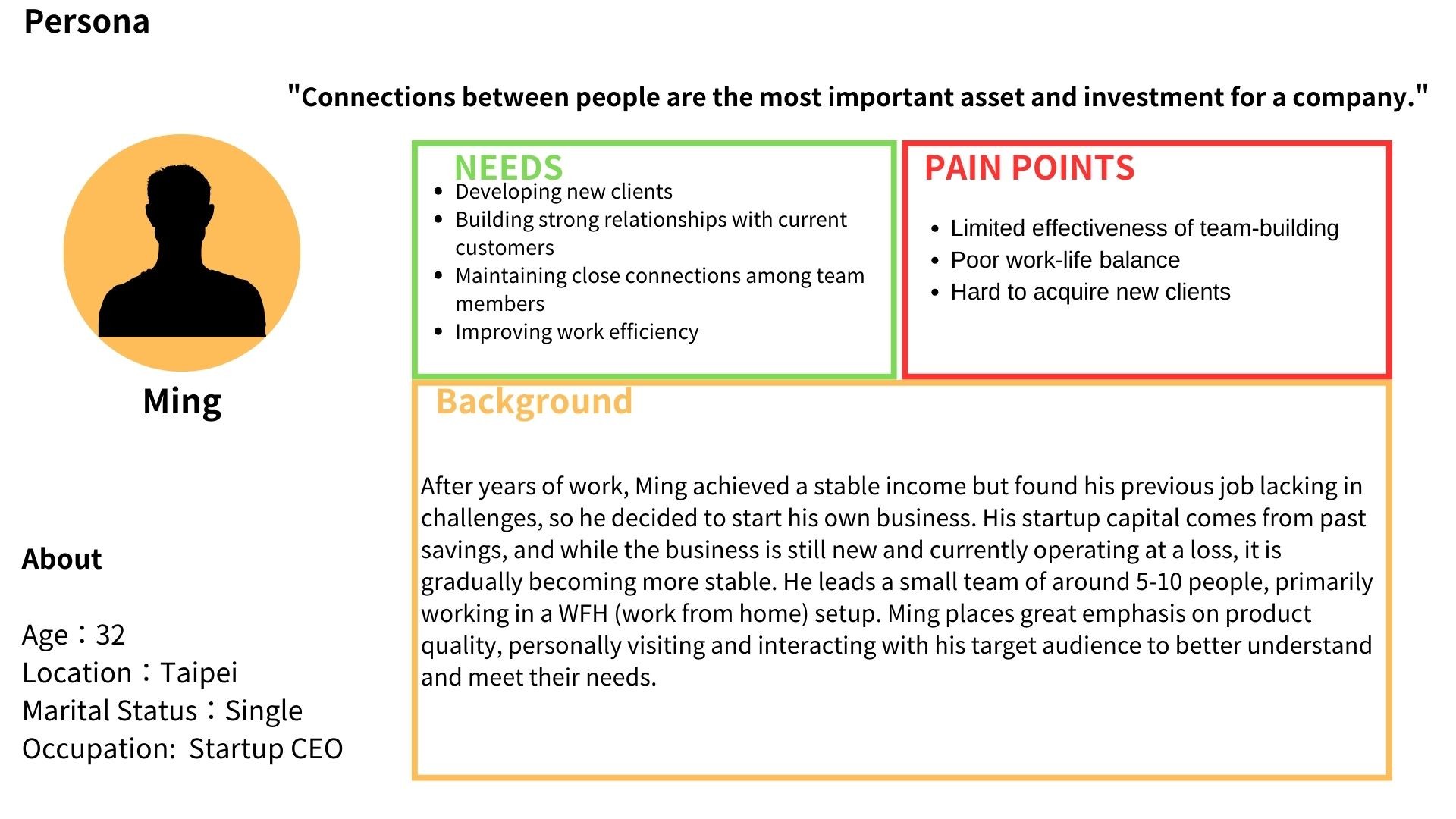
Based on our findings, we identified our primary persona. This transition transforms broad observations into the specific motivations that drive Working Ler’s community:
A. The Aesthetic Seeker – Mei (28, Graphic Designer) Hesitant to rent without feeling the vibe. She needs to ensure the environment matches her creative flow and aesthetic standards before committing to a lease.
B. The Strategic Networker – Ming (32, Startup CEO) Views coworking as a business investment. He build connections within the community as potential partners and high-quality clients.
[Abstraction Ladder]
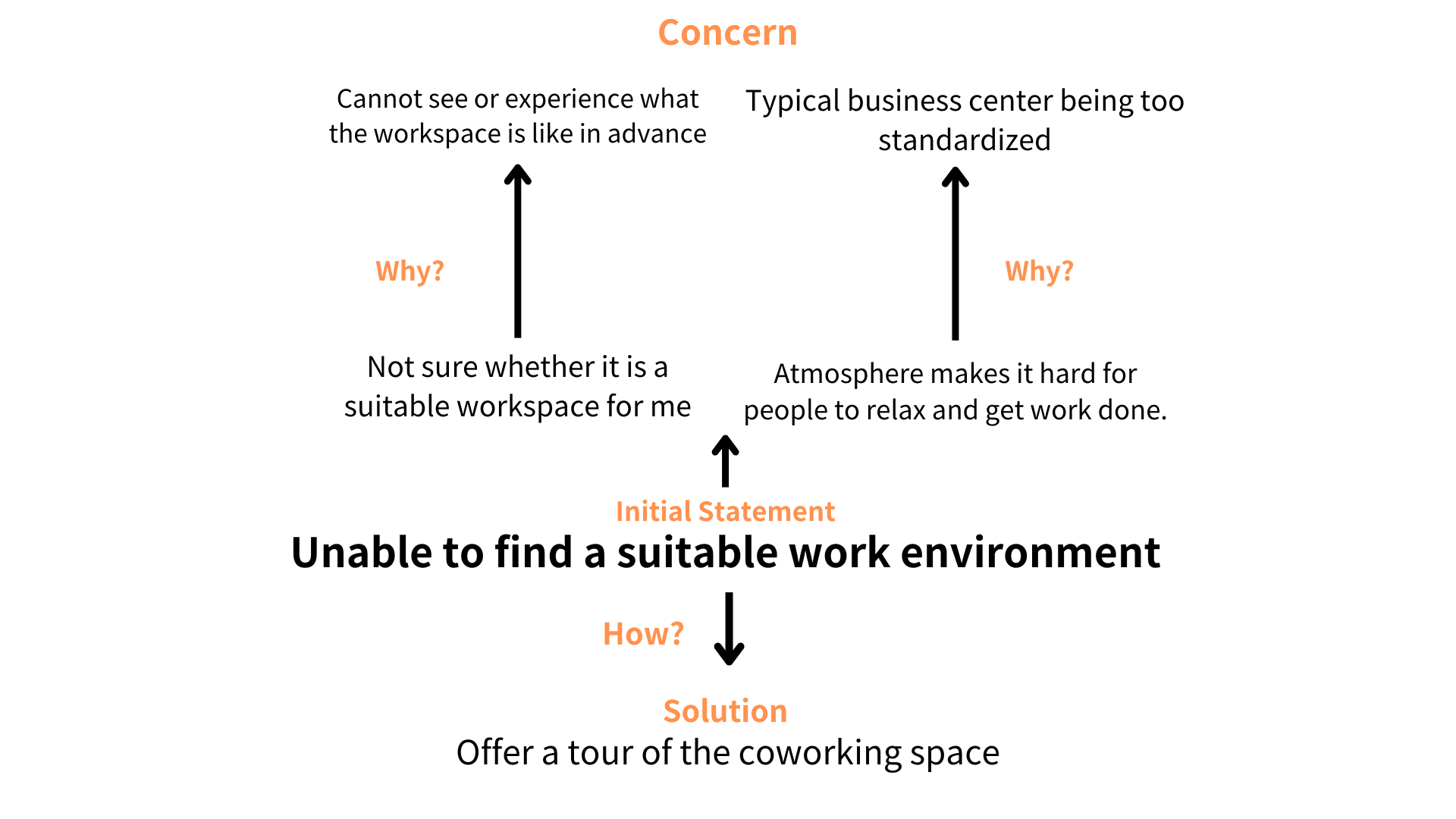
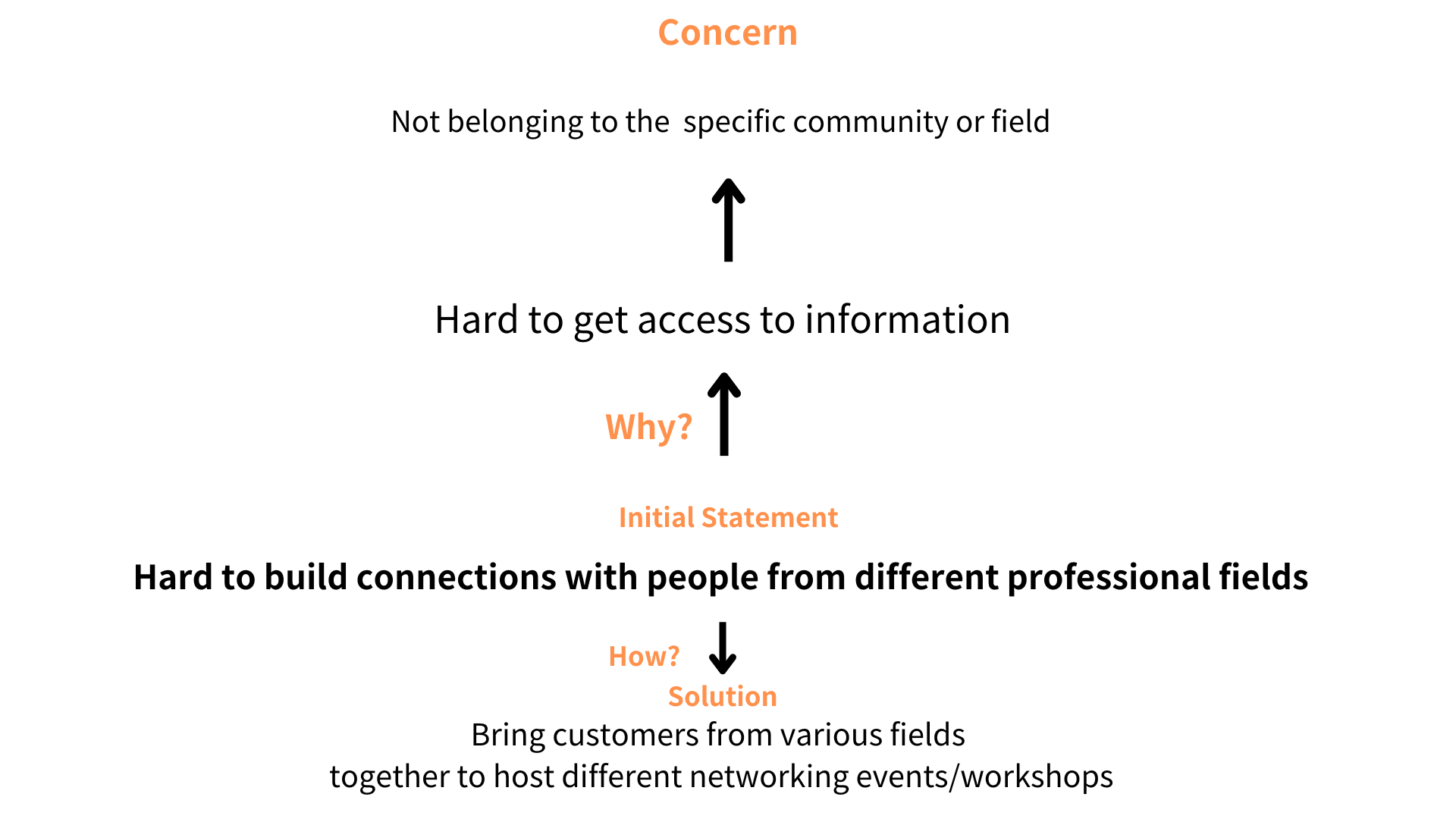
To translate our personas into a broader design strategy, we utilized the abstraction ladder to bridge the gap between their personal needs and our functional requirements.
This framework allowed us to move beyond surface-level issues by asking 'Why' to uncover core motivations and 'How' to derive tangible solutions. By reframing our challenges, we shifted our focus from mere space rentals to creating an immersive discovery and community-driven experience.
[Problem Statement]
Creative professionals struggle to find a suitable work environment while facing significant barriers in building meaningful connections across different professional fields.
[How Might We]
Based on the pain points identified during our audit and research, we defined four core design challenges based on four aspects of Information Architecture:
Immersive Discovery
How might we offer a coworking space tour so people can better judge whether the space suits how they work and interact with others?
Collaborative Synergy
How might we bring customers from different professional fields together to host workshops?
Ideate
We proposed an online platform that integrates spatial discovery and professional networking. Our goal is to move beyond simple leasing by offering a digital ecosystem that validates the environment and lowers the barrier to community collaboration.
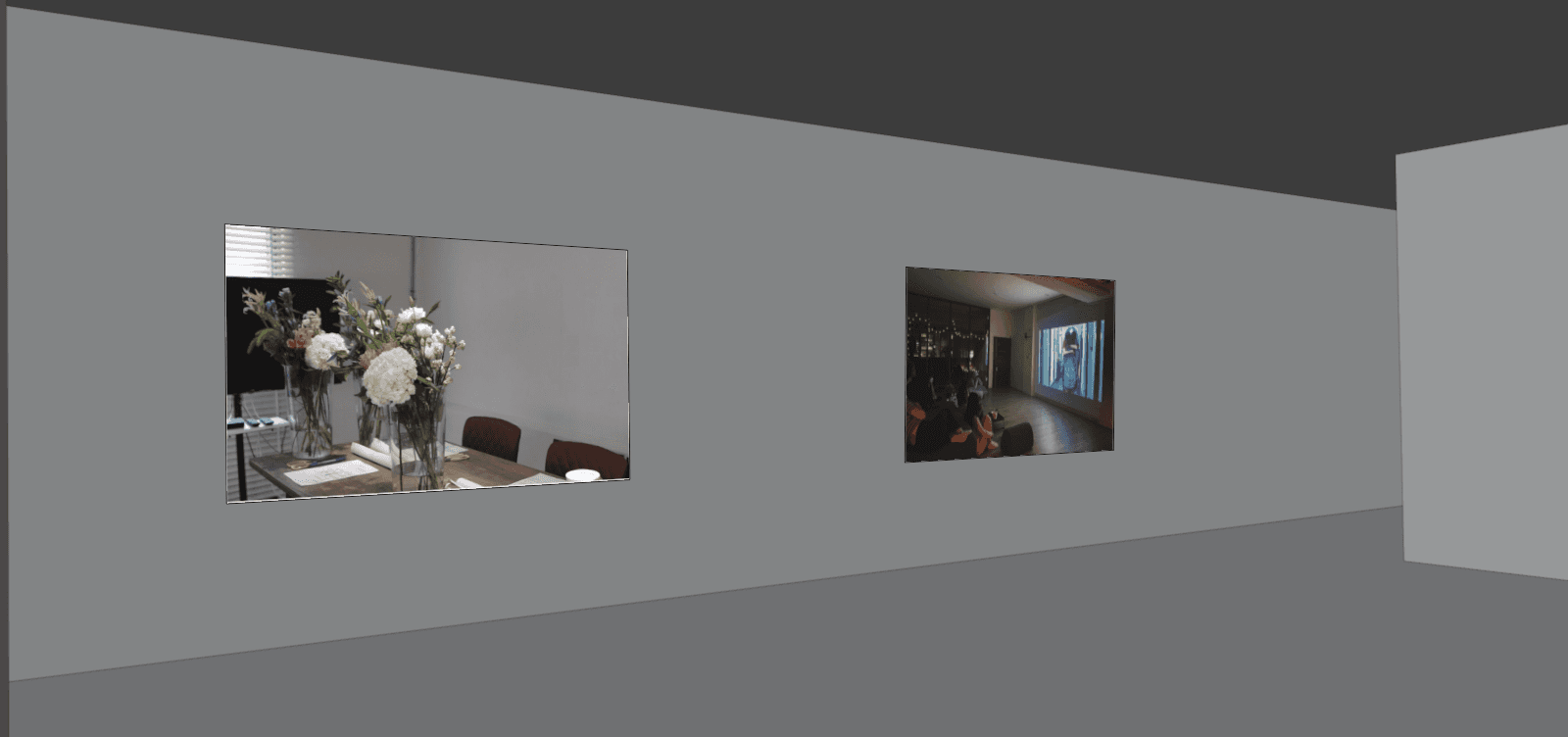
We started by the user journey at physical touch points. Coffee shops and transit hubs were selected as primary advertising touch points to target users while they are in unsatisfactory work environments. By placing QR codes on physical items like coffee cups, we capture potential members at the moment they are actively seeking a more professional and better-equipped workspace. This strategy transforms a common distraction point into a direct lead for Working Ler. Upon scanning, users are directed to a Virtual Space that simulates Working Ler’s interior. This allows them to remotely experience the atmosphere, seating, and lighting, effectively solving the 'trial barrier' before they commit to a physical visit.
We also designed interactive mini-game that was based on past workshop content. These games are designed as a "teaser" to give users a quick preview of the professional value within the space. By providing a low-cost way to experience the community's expertise, the games serve as a conversion hook that attract users to either register for a full workshop or rent a workspace to join the network.
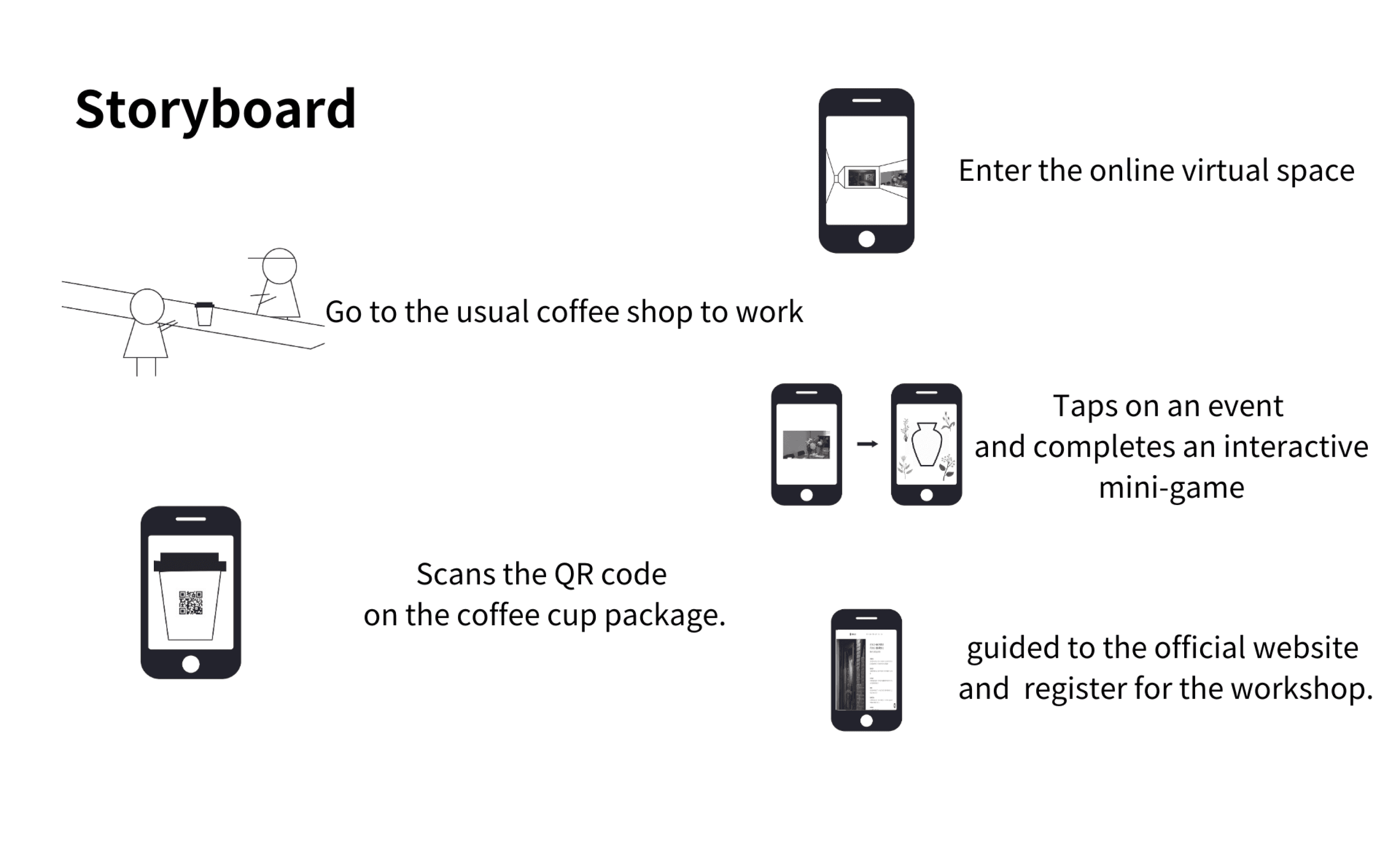
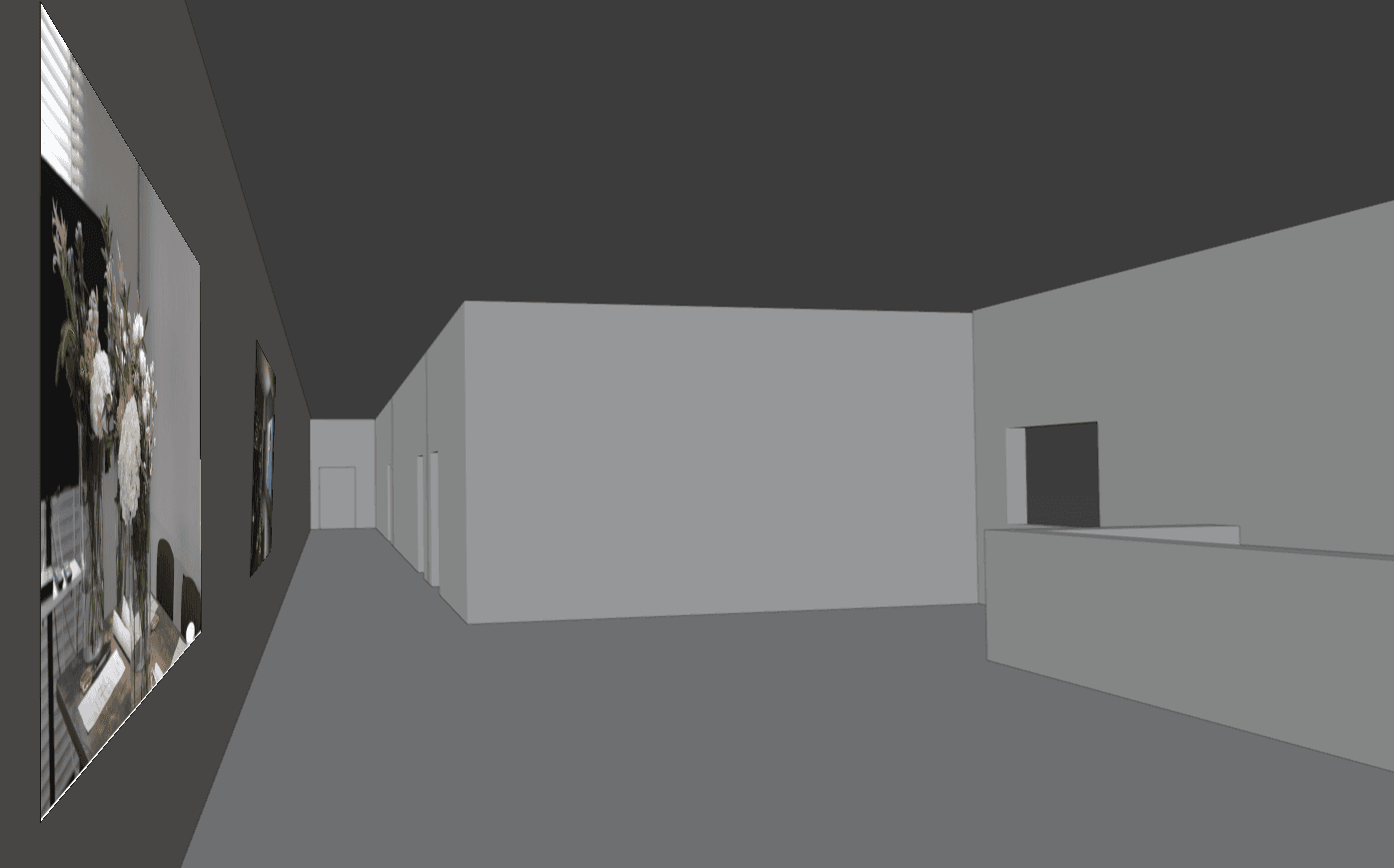
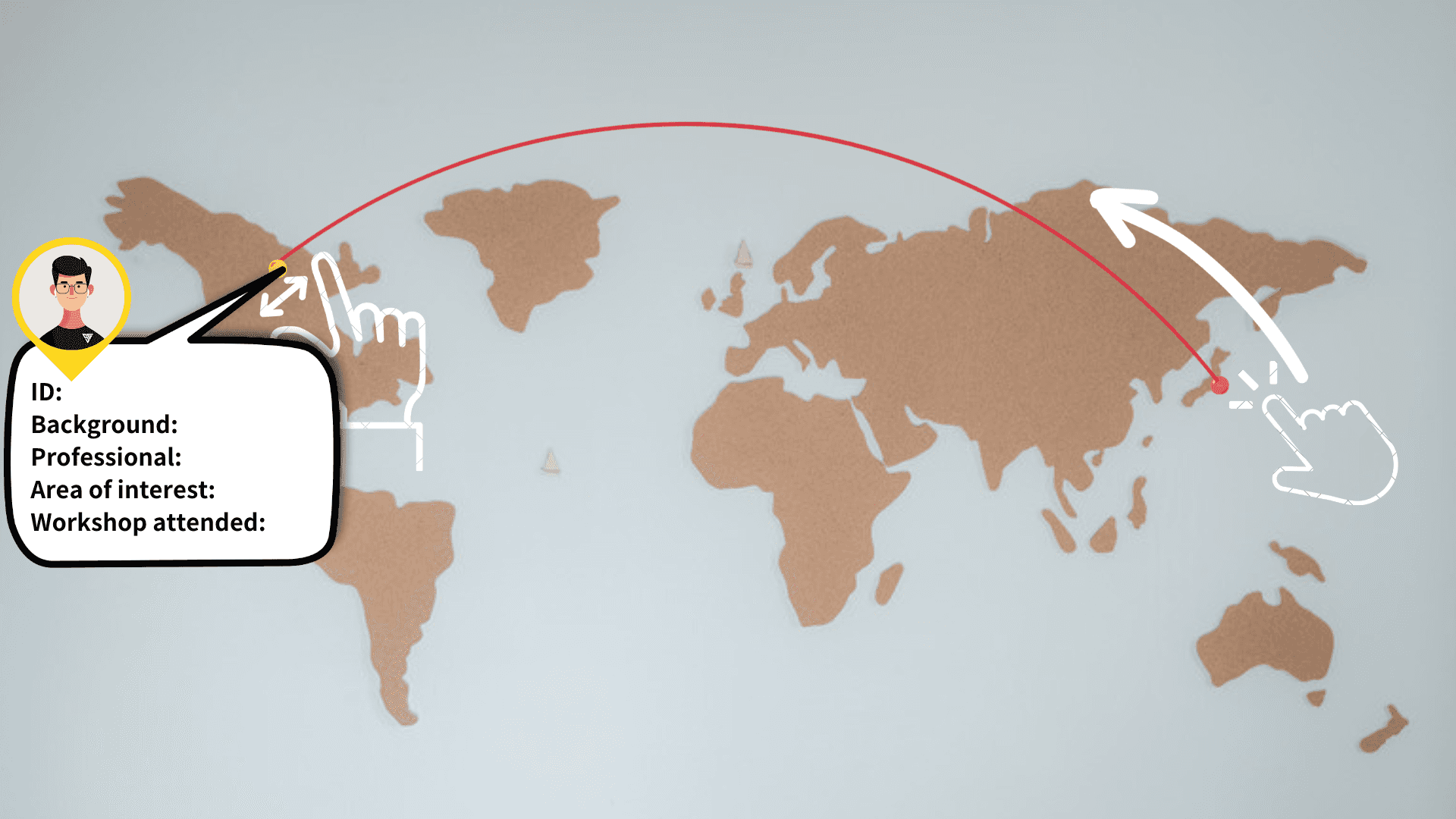
Next, to encourage building connections, we proposed “ interpersonal world map” as a discovery tool to bridge professionals and reduce social friction. This map visualizes the professional backgrounds and interests of all members, which gives users access to Working Ler’s social network, helping them find potential business partners and new clients.
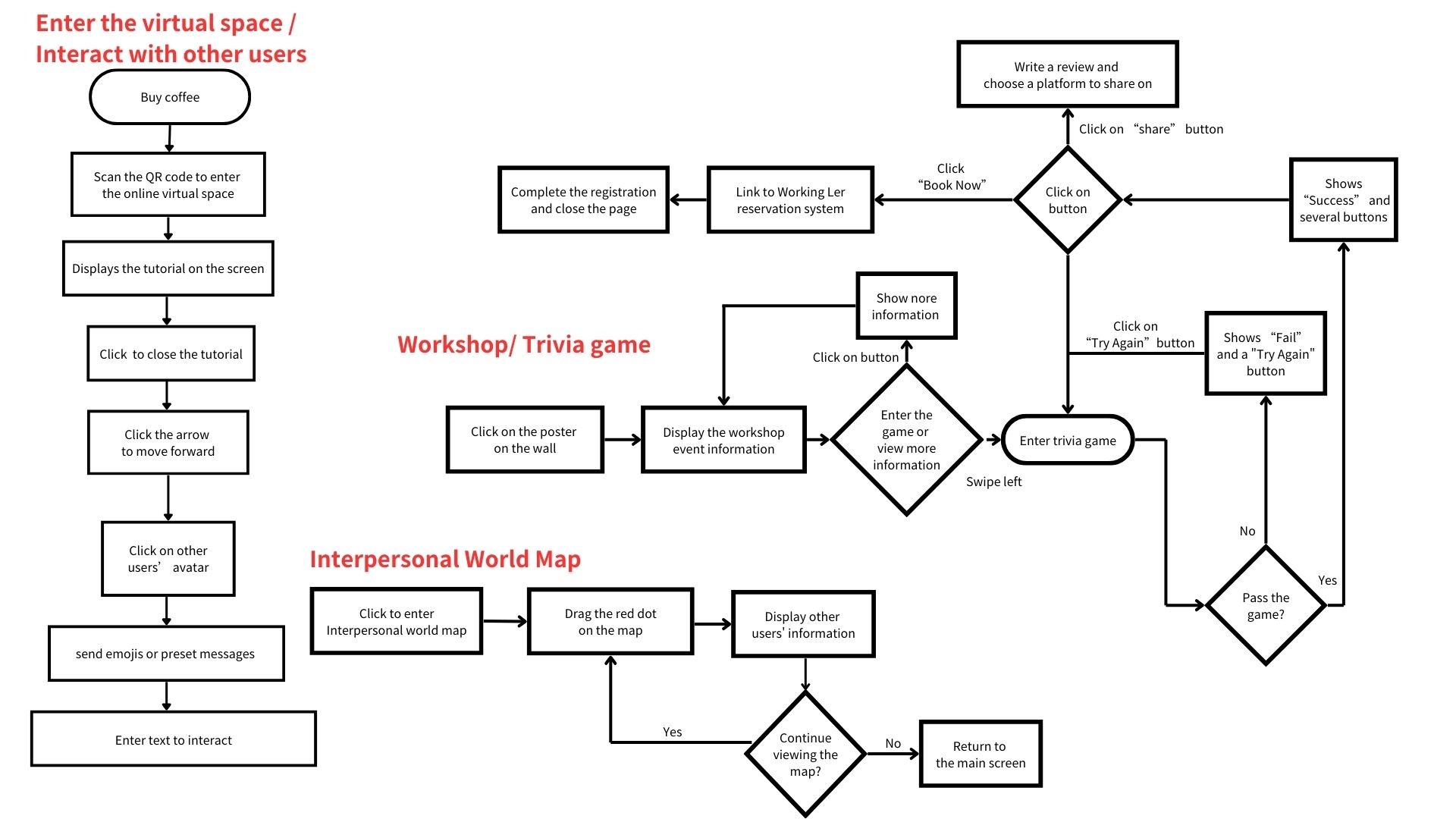
To ensure a seamless journey between discovery and connection, we mapped out the user flow to visualize and refine every interaction.
Execute
[Concept Video]
This demo video serves as the final proposal to stakeholders, visualizing the seamless transition from physical touchpoints to a digital community. It demonstrates how our integrated features collectively lower entry barriers and foster spontaneous professional collaboration.
[Reflection & Next Step]
Through this project, I realized that interaction design is really about guiding users so that every movement in a virtual space feels natural and purposeful. I learned that it's crucial not to overwhelm the user with too much information while adding features, as that can easily break the immersion. Instead of just focusing on a polished interfaces, I’ve become more interested in designing intuitive feedback loops that keep the experience smooth and uninterrupted. Moving forward, I plan to use low-fidelity prototypes to test the navigation logic and run A/B tests to identify the best placements for interactive triggers, ensuring the final flow meets our business goals without compromising the joy of exploration.